midrender logo

How to Use SBR for Rendering

Updated April 6, 2023
How to Use SBR for Rendering

SBR, or Styrene-Butadiene Rubber, is a versatile bonding and waterproofing additive used in various construction applications, including rendering. In this article, we will explore the benefits of using SBR for rendering, how to mix and apply it, and the precautions you should take when using this powerful additive in your rendering projects in the United Kingdom.

What is SBR and Why Use it for Rendering?

SBR is a synthetic liquid latex that can be mixed with cement-based render to improve its performance, particularly in terms of adhesion, flexibility, and water resistance.

Benefits of Using SBR in Render

Using SBR in your render offers several advantages, including:

  • Enhanced adhesion to substrates, reducing the risk of debonding and cracking
  • Improved flexibility, allowing the render to withstand movement and temperature changes
  • Increased water resistance, protecting against damp and water ingress

These benefits make SBR an ideal choice for rendering projects that require additional strength, durability, and weather resistance.
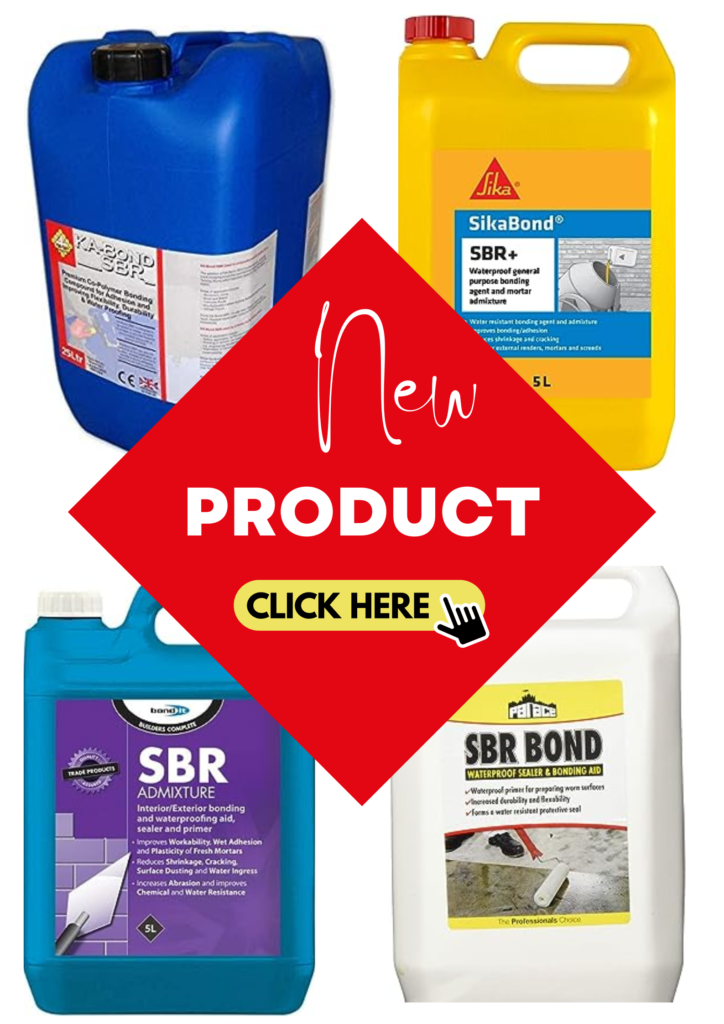
SBR NEW PRODUCT LISTING VIEW ALL

Preparing Your Wall for SBR-Modified Render

Before applying SBR-modified render, it is essential to prepare your wall properly to ensure a successful outcome.

Cleaning the Wall

To prepare the wall, start by:

  • Removing dirt, debris, and any loose or flaking paint using a stiff brush
  • Repairing any damage, such as cracks or holes, with a suitable filler

A clean and sound surface is crucial for the SBR-modified render to bond effectively to the wall.

Priming the Wall

Depending on the wall's condition and the render manufacturer's recommendations, you may need to prime the wall:

  • Apply a suitable primer or bonding agent if required
  • Allow the primer to dry according to the manufacturer's recommendations

Priming the wall helps to improve adhesion and create a uniform surface for the SBR-modified render.

SBR NEW PRODUCT LISTING VIEW ALL

Mixing SBR with Render

To create an SBR-modified render, you need to mix the SBR liquid with your chosen render material, typically cement-based render.

Tools and Materials Needed

Prepare the following tools and materials for mixing SBR with render:

Mixing Ratios

To achieve the desired consistency and performance, follow these steps:

  • Follow the manufacturer's guidelines for the appropriate SBR-to-water and SBR-to-render ratios
  • Adjust the ratios depending on the desired consistency and application requirements

Mixing Procedure

Combine the ingredients and mix the SBR-modified render:

  • Combine the appropriate amounts of SBR, water, and render in the mixing bucket
  • Use an electric mixer or mixing paddle to blend the ingredients until a smooth, homogenous consistency is achieved

Applying SBR-Modified Render

Once your SBR-modified render is mixed, you can apply it to the prepared wall surface.

Techniques for Applying SBR-Modified Render

There are two main techniques for applying SBR-modified render:

  1. Traditional trowel application: Use a hawk and trowel to apply the render to the wall, spreading it evenly and ensuring good coverage.
  2. Spray application: Utilize a specialized spray machine designed for rendering to apply the SBR-modified render to the wall in a controlled, even manner.

Application Tips

When applying SBR-modified render, follow these tips to achieve the best results:

  • Apply the render in thin, even layers, building up to the desired thickness
  • Use a trowel or float to smooth and level the surface
  • Allow each layer to partially dry before applying the next, if multiple layers are required

Following these steps will help you achieve a smooth, even, and well-bonded finish for your SBR-modified render.

SBR NEW PRODUCT LISTING VIEW ALL

Finishing and Curing SBR-Modified Render

After applying the SBR-modified render, you need to finish and cure it properly to ensure a durable, long-lasting result.

Finishing Techniques

To achieve your desired finish, you can use various tools and techniques:

  • Texture the render using a trowel, sponge, or other finishing tool
  • Create the desired finish, such as smooth, textured, or patterned

Experiment with different tools and techniques to achieve the look you want for your rendered wall.

Curing Time and Procedure

Proper curing is essential for the long-term performance of your SBR-modified render:

  • Allow the render to cure according to the manufacturer's recommendations, which may vary depending on the specific SBR product used and environmental conditions
  • Keep the render damp during the curing process to minimize shrinkage and cracking

Curing the SBR-modified render correctly will help ensure its durability and resistance to weather and moisture.

SBR-Modified Render Maintenance

Regular maintenance is essential to prolong the lifespan of your SBR-modified render and ensure it continues to perform effectively.

Cleaning and Inspection

To maintain your SBR-modified render:

  • Clean the rendered wall every 1-2 years using a soft brush and mild detergent solution
  • Inspect the wall for any signs of damage, such as cracks or discolouration

Regular cleaning and inspection can help identify issues early and prevent further damage.

Repairing SBR-Modified Render

If you notice any damage to your SBR-modified render:

  • Repair any damage promptly to prevent further issues
  • Employ suitable repair techniques, such as filling cracks with a compatible filler or patching damaged areas with the same SBR-modified render material

Timely repairs will help maintain the integrity and appearance of your rendered wall.

Health and Safety Considerations

When working with SBR and rendering materials, it's essential to follow proper health and safety guidelines to protect yourself and others.

Personal Protective Equipment (PPE)

Ensure you wear appropriate PPE when handling SBR and mixing render:

  • Wear gloves, eye protection, and a dust mask
  • Use protective clothing to prevent skin contact with the materials

Ventilation and Workspace Safety

Make sure to maintain a safe workspace when working with SBR:

  • Ensure adequate ventilation when working with SBR, especially in enclosed spaces
  • Keep your workspace clean and free of debris to prevent accidents

Environmental Considerations for SBR-Modified Render

SBR-modified render can have a lower environmental impact than some traditional rendering materials, but it's essential to consider the environmental implications of your chosen materials and practices.

Material Selection

Choose eco-friendly options for your rendering project:

  • Choose environmentally friendly SBR products and render materials with lower embodied energy and carbon emissions
  • Consider using locally sourced materials to minimize transportation-related emissions

Waste Management

Dispose of waste materials responsibly:

  • Properly dispose of any waste materials, such as excess render, packaging, and cleaning water
  • Follow local waste disposal regulations and guidelines
SBR NEW PRODUCT LISTING VIEW ALL

Frequently Asked Questions about SBR in Rendering

Q: Can I use SBR with any type of render material?

A: SBR is most commonly used with cement-based renders, but it may also be compatible with other types of render materials. Always consult the manufacturer's guidelines and recommendations to ensure compatibility.

Q: How does SBR affect the drying time of render?

A: SBR can influence the drying and curing times of render, often slowing down the process due to its water-resistant properties. It's essential to follow the manufacturer's guidelines for curing times and procedures to ensure a successful outcome.

Q: Can I paint over SBR-modified render?

A: Yes, you can paint over SBR-modified render once it has fully cured and is dry. Use a suitable exterior masonry paint and follow the manufacturer's instructions for application and drying times.

Conclusion

Using SBR for rendering can significantly improve the performance and durability of your rendered walls, offering enhanced adhesion, flexibility, and water resistance. By understanding the proper mixing ratios, application techniques, and maintenance procedures, you can ensure a successful, long-lasting result for your rendering projects in the United Kingdom. Always follow health and safety guidelines and consider the environmental impact of your chosen materials and practices.


Frequently Asked Questions

Richard Renderman

Author: Richard Renderman

Richard Renderman, your trusted rendering expert at MidRender, is passionate about the art of rendering. With years of experience, he crafts informative and engaging blog posts to share his knowledge with you. Richard's objective is to make the realm of rendering accessible and exhilarating, contributing one post at a time.

Explore articles by Richard Renderman
Connect with Richard Renderman on Social Media
Share This Article

Professional house rendering services

Get a free no obligation quote today!

our services 24 hours a day and seven days a week so that the clients can get their job done on time without any delay or compromise on quality. 24/7/365 support.
Get a free no obligation quote today!

Other Categories

THERE’S MORE TO READ.

2026 Midrender.co.uk
linkedinfacebookpinterestyoutubersstwitterinstagramfacebook-blankrss-blanklinkedin-blankpinterestyoutubetwitterinstagram