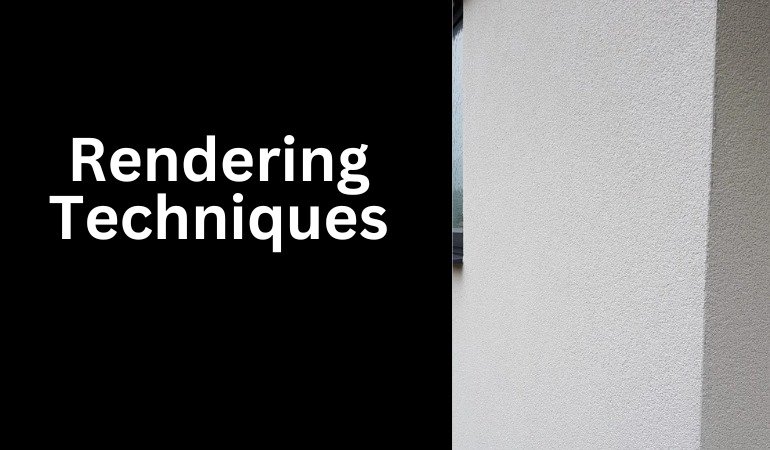
Rendering is the process of applying a protective and decorative coating to the outside walls of a building. It shields your home from weather, adds style, and can even improve insulation. Let’s explore popular rendering techniques and how they work, using simple terms anyone can understand.
Common Rendering Techniques
Cement Render
- What it is: A mix of cement, sand, and water.
- Benefits: Strong, low cost, and works on most surfaces.
- Downsides: Less flexible; may crack over time.
Acrylic Render
- What it is: A flexible, pre-mixed coating with acrylic resins.
- Benefits: Crack-resistant, quick drying, and available in many colors.
- Great for: Modern homes needing a smooth or textured finish.
Silicone Render
- What it is: A breathable, weather-resistant coating with silicone.
- Benefits: Stops rain but lets walls “breathe,” low maintenance, and fade-proof.
- Perfect for: Wet climates or homes prone to dampness.
- What it is: Small stones thrown onto a wet base coat.
- Benefits: Tough, textured, and lasts 20–30 years.
- Classic look: Adds rustic charm to older homes.
Tyrolean Render
- What it is: A spray-applied finish with a bumpy texture.
- Benefits: Hides imperfections, durable, and good for uneven walls.
Lime Render
- What it is: A traditional mix using lime instead of cement.
- Benefits: Breathable, eco-friendly, and ideal for historic buildings.
How to Choose the Right Technique
Consider these factors:
- Climate: Silicone or acrylic for rainy areas; lime for older, breathable walls.
- Budget: Cement is cheapest; silicone offers long-term savings.
- Style: Smooth (acrylic), textured (pebble dash), or rustic (Tyrolean).
- Maintenance: Silicone and acrylic need less upkeep than pebble dash.
Why Use Modern Renders?
- Protection: Shields walls from rain, wind, and UV rays.
- Energy Efficiency: Some renders add insulation, cutting heating bills.
- Curb Appeal: Fresh colors and textures boost your home’s look.
FAQs About Rendering